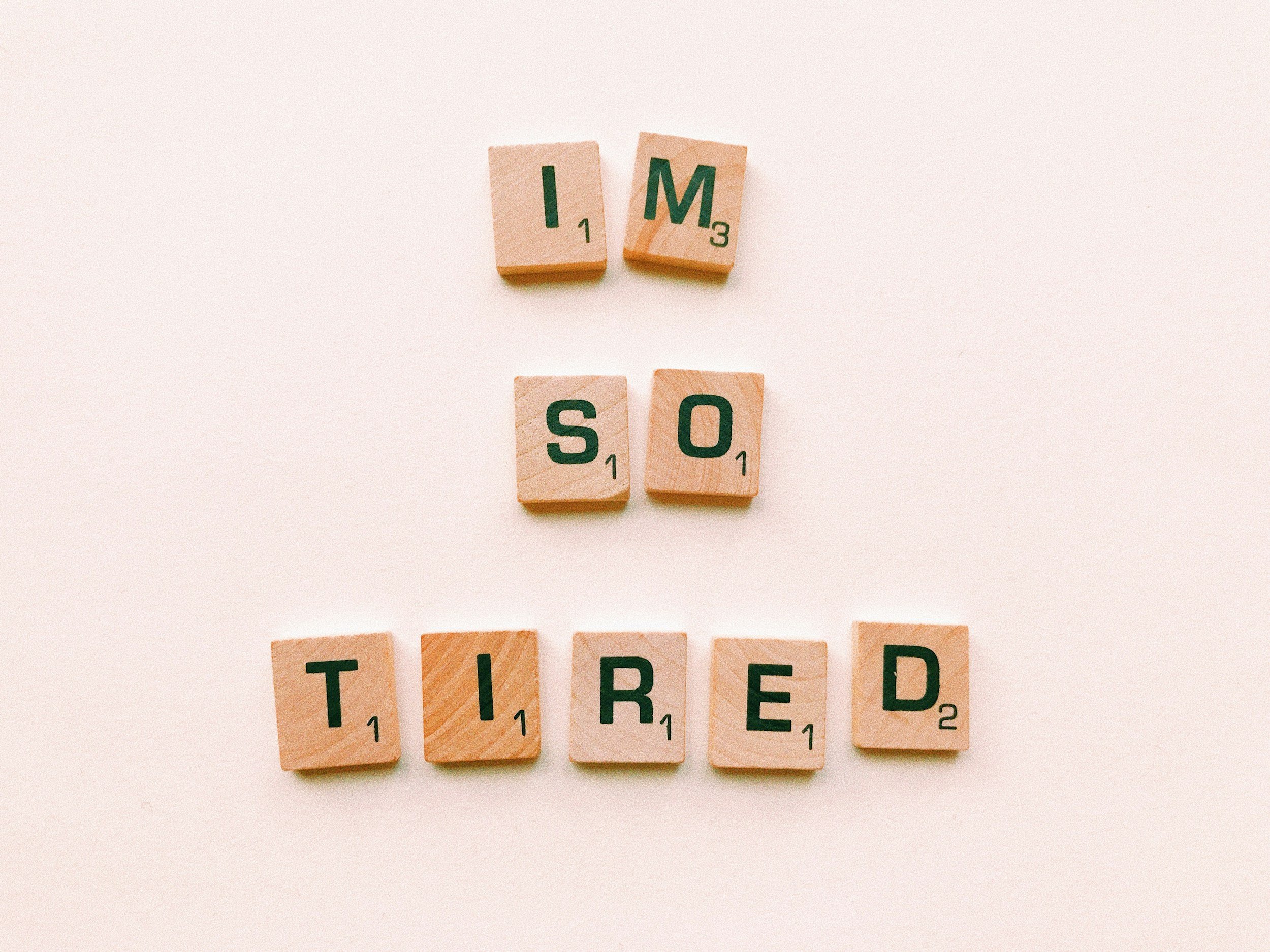
Z – Zoom Fatigue Is Real: Mental Health Tips for Remote Life
Hidden Exhaustion of Remote Life
If you have ever closed your laptop after a full day of video calls and felt completely drained, you are not imagining it. Zoom fatigue is real, and it shows up in my therapy office more often than many people expect.
In my work with clients, I hear variations of the same experience. “I am home all day, but I feel more exhausted than when I commuted.” Or, “I should have energy left, but my brain feels fried.” This kind of fatigue is not about motivation or resilience. It is about how the human nervous system responds to constant virtual interaction.
Video technology has allowed people to stay connected, productive, and supported during major shifts in work and healthcare. It has also introduced a form of strain that our brains did not evolve to manage for hours at a time. Mental fog, irritability, eye strain, tension headaches, and social burnout are common signs.
Understanding why this happens matters. When people can name what is going on, self-criticism softens. Instead of asking, “What is wrong with me?” the question becomes, “What does my nervous system need?”
That shift alone can be regulating.
1. Why Virtual Interaction Drains the Brain
Human communication depends on subtle cues. Facial expressions, posture shifts, pauses, tone changes, and shared physical space all help the brain interpret meaning quickly and efficiently. On video, many of these signals are distorted, delayed, or missing entirely.
What I often notice in sessions is that clients describe feeling “on edge” during video calls without knowing why. Research from Stanford University helps explain this. Video conferencing increases cognitive load due to constant self-monitoring, reduced nonverbal feedback, and unnatural close up digital proximity. Your brain works harder to decode information, while also watching yourself on screen and managing performance concerns.
This effort activates the body’s stress response. In Cognitive Behavioral Therapy terms, the nervous system shifts into a heightened state of alert. Over time, that state makes it harder to concentrate, regulate emotions, and recover between tasks.
I want to be clear here. This is not a personal weakness. It is a predictable response to sustained cognitive demand. Many people are surprised to learn that even short video meetings can trigger stress responses similar to public speaking, especially when they happen back-to-back.
Once you understand that, the goal is no longer to push through. The goal becomes to work with your brain instead of against it.
2. The Role of Boundaries and Screen Transitions
Before remote work became common, most people had built in transitions without realizing it. Walking to a meeting. Stepping outside for air. Driving home. These moments gave the nervous system time to reset.
Remote work collapses those boundaries. One meeting ends, another begins, often in the same chair, with the same posture, and the same visual input. The brain stays in a continuous state of engagement.
In therapy, this is where boundary work becomes practical, not abstract. Behavioral activation strategies often focus on creating structure and predictability to reduce burnout and depressive symptoms.
Here are approaches I often suggest to clients, adapted for real life:
• Schedule buffer time between meetings whenever possible. Even 10 minutes can help your nervous system downshift.
• Create a visual reset. Step away from screens entirely. Look outside, focus on distance, or simply close your eyes and breathe.
• Use physical cues to signal transitions. Closing your laptop, standing up, or changing rooms can mark the end of one role and the start of another.
• Define clear start and stop times for the workday. Without them, work can quietly expand into every corner of life.
These steps may seem small. In practice, they are powerful. They reintroduce rhythm into a day that otherwise feels endless and flat.
A reflective question to consider between sessions:
Where in my day do I feel the most drained, and what boundary could gently protect that space?
3. Managing the Emotional Load of Constant Visibility
Video calls add another layer that often goes unspoken. Constant visibility. Seeing your own face repeatedly can increase self-consciousness, comparison, and performance anxiety, especially for people who already struggle with perfectionism or social stress.
This is something I say directly in therapy. Being watched, even subtly, keeps the nervous system alert. When that state is prolonged, anxiety increases.
Mindfulness based strategies can help reduce this load. Not by forcing calm, but by shifting attention.
• Turn off self-view once you are properly positioned. This reduces self-monitoring and frees mental resources.
• Ground before calls. A few slow breaths, feet on the floor, shoulders relaxed. Simple, but effective.
• Focus on connection, not performance. The purpose of most meetings is communication, not evaluation.
Self-compassion matters here. Research on self-compassion shows it reduces stress responses and improves emotional regulation. When clients practice speaking to themselves kindly during moments of fatigue, the impact is noticeable.
A simple internal statement can help. “This is tiring because it is hard, not because I am failing.”
That reframe lowers the emotional load immediately.
4. The Importance of Movement and Micro Breaks
The body was not designed to sit still for hours. When movement is restricted, energy drops and irritability rises. Physical fatigue and emotional fatigue are deeply connected.
Movement based research and mindfulness practices consistently show that even brief physical activity helps regulate mood and attention. In sessions, I often ask clients about their relationship with movement during the workday. Many realize they barely stand up.
Consider these micro interventions:
• Stand or stretch between calls. Even 30 seconds counts.
• Pair movement with transitions. Walk during phone calls when video is not required.
• Get outside daily, even briefly. Natural light and fresh air support circadian rhythm and mood regulation.
• Notice what your body signals before fatigue peaks. Zoning out, restlessness, or tension are often early cues.
If you find yourself reaching for caffeine repeatedly, pause. Your body may be asking for movement or rest, not stimulation.
This is not about productivity optimization. It is about nervous system care.
5. Reconnecting With Meaning and Intention
One of the quieter effects of remote life is a loss of meaning. When everything happens through a screen, days can blur together. Productivity increases, presence decreases.
In Solution Focused Brief Therapy, a common question is, “What is already working?” Applying that question to remote life can bring clarity.
What meetings truly require video?
Which interactions energize you?
What parts of your day feel aligned with your values?
Acceptance and Commitment Therapy emphasizes living in accordance with personal values rather than reacting to discomfort. When clients reconnect with why they are doing what they are doing, fatigue often softens.
This might mean advocating for fewer video meetings. Or scheduling meaningful activities outside of work intentionally. Or redefining success in a season that looks different than expected.
A short exercise to try:
At the end of the day, name one moment that felt purposeful, even if it was small. Over time, these moments add up.
6. When Virtual Fatigue Becomes a Mental Health Concern
Occasional fatigue is expected. Chronic exhaustion is not. When Zoom fatigue turns into persistent irritability, low mood, disconnection, or dread, it may signal burnout or underlying anxiety or depression.
In my work with clients, therapy often focuses on identifying patterns that keep people stuck. Overworking. Avoiding rest. Feeling guilty for needing breaks. These patterns form slowly and become normalized.
Clinical research shows that prolonged stress without recovery increases the risk of mood disorders and emotional exhaustion. Early intervention matters.
Therapy can help you:
• Identify burnout triggers.
• Develop realistic boundaries.
• Practice nervous system regulation skills.
• Rebuild balance between work, rest, and connection.
Many clients are surprised by how effective even short term; focused therapy can be when the goal is stabilization and clarity.
You do not have to wait until things fall apart to reach out.
Finding Balance in a Virtual World
Zoom fatigue is not just about screens. It is about lost rhythm, constant cognitive demand, and reduced recovery time. When those factors are addressed, energy returns.
By setting boundaries, practicing mindful awareness, and listening to your body, you can create space for rest and clarity even in an online world. Small, consistent changes matter more than dramatic overhauls.
If you are navigating remote work stress or feeling emotionally drained, online therapy in Ohio can offer support that fits your life. Together, we can identify what is draining you and build strategies that help you feel grounded again.
When to Reach Out
If virtual fatigue is affecting your mood, motivation, or relationships, that is a signal worth listening to. Therapy is not about fixing you. It is about supporting your nervous system and helping you live in a way that feels sustainable.
I offer online therapy for adults across Ohio, with a focus on stress, burnout, and life transitions. Reaching out is not a sign of weakness. It is often the first step toward relief.
— Sam Long, LISW-S
Founder of Long Therapy Services
-Growth and Healing, Wherever You Are-
This article was developed using evidence-based research and established clinical literature. The references below informed the concepts discussed throughout this post.
References
Webb M. (2021). Zoom Fatigue and How to Prevent It. Journal of registry management, 48(4), 181–182. https://pmc.ncbi.nlm.nih.gov/articles/PMC10198405/
American Psychological Association. Managing stress in the workplace. https://www.apa.org/topics/healthy-workplaces/workplace-stress
Psychology Today. Get to know the psychological effects of video conferencing. https://www.psychologytoday.com/us/blog/the-brain-body-connection/202205/your-brain-and-zoom-fatigue
Ready to start? Contact me today or schedule through Headway or SonderMind.
Learn more by going to About or Services pages. Have specific questions go to FAQs.
The information on this page is for educational purposes only and is not a substitute for professional therapy, diagnosis, or treatment. If you are in crisis, call or text 988 (Suicide and Crisis Lifeline) or go to your nearest emergency department.