
BLOG

Z – Zoom Fatigue Is Real: Mental Health Tips for Remote Life
Zoom fatigue is more than feeling tired after meetings. Constant video calls strain the brain, disrupt emotional regulation, and blur boundaries between work and rest. Learn why it happens and how therapy informed strategies can help you regain balance in remote life.

Y – You Are Not a Burden: Reframing Shame in Mental Health
Feeling like a burden is one of the most painful beliefs people carry. This article explores how shame forms, why it persists, and how therapy helps you reclaim self-worth, connection, and emotional safety through online therapy in Ohio.

X – X-Ray Your Thoughts: Cognitive Distortions Explained Simply
Cognitive distortions are common thinking patterns that quietly increase stress, anxiety, and self-doubt. Learn how to recognize and gently challenge these thoughts using CBT based tools, mindfulness, and self-compassion through online therapy in Ohio.

W – What to Expect in Your First Therapy Session
Starting therapy can feel intimidating, especially if you are unsure what the first session will be like. This guide walks through what to expect in your first therapy appointment, how online therapy in Ohio works, and how the process begins in a supportive, collaborative way.

V – Validation: The Emotional Need You Didn’t Know You Had
Validation is more than agreement or reassurance. Feeling understood helps regulate emotions, strengthen relationships, and reduce shame. Learn how validation works, why it matters for mental health, and how therapy supports lasting emotional change.

U – Understanding Your Triggers: A Path to Emotional Freedom
Emotional triggers can feel overwhelming, but they are not signs of weakness. This guide explores how triggers form, how to recognize them, and how therapy helps you respond with clarity, regulation, and emotional freedom.

T – Trauma-Informed Therapy: What It Is and Why It Matters
Trauma-informed therapy helps people heal by prioritizing safety, trust, and nervous system regulation. Learn how trauma affects daily life, how therapy supports recovery, and why this approach matters for lasting change.
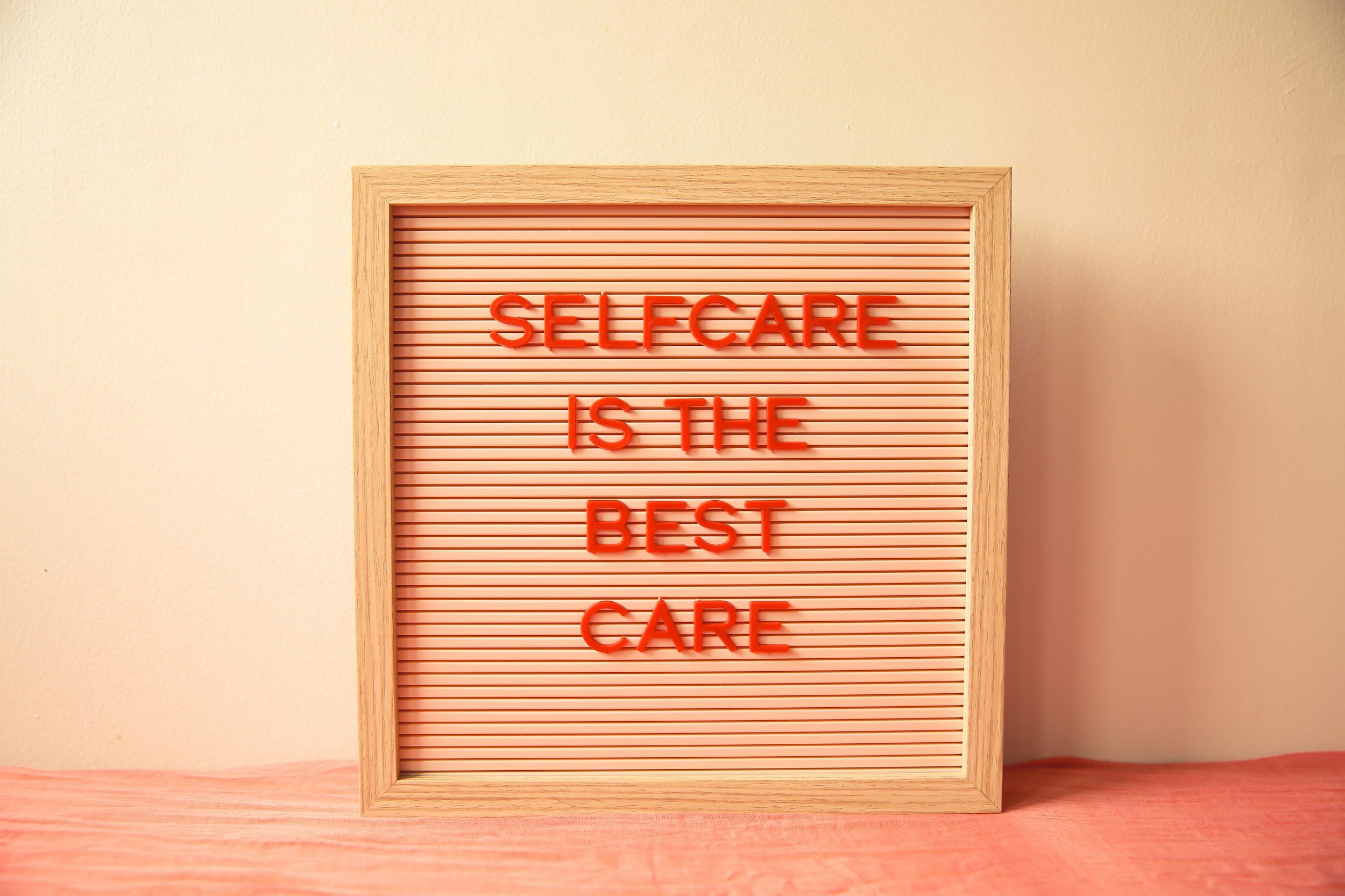
S – Self Care That Isn’t a Bubble Bath: Real Strategies That Work
Self-care is not indulgence or escape. Real self-care is about stability, boundaries, and habits that support your mental health long term. Learn practical, evidence-based self-care strategies that actually work, especially for men managing stress, work, and family life.

R – Relationships and Mental Health: What Healthy Connection Looks Like
Healthy relationships are a cornerstone of mental health. This article explores what healthy connection really looks like, how relational patterns form, and how therapy helps men build stronger, more secure relationships in their personal and professional lives.

Q – Quiet Moments: Why Stillness Is Essential in a Busy World
In a world that never slows down, quiet moments can feel uncomfortable or even unproductive. Stillness is not a luxury, it is a mental health necessity that supports emotional regulation, clarity, and long-term wellbeing.

What to Do If Therapy Doesn’t Feel Like It’s Helping
When therapy doesn’t feel like it’s working, it can leave you frustrated or unsure what to do next. This article explores why therapy can feel stuck, how to assess progress, and practical steps you can take to adjust the process and move forward with clarity and purpose.

P – People Pleasing and the Cost to Your Mental Health
People-pleasing can quietly drain your energy, increase anxiety, and disconnect you from your own needs. Learn how this pattern forms, why it persists, and how therapy helps you build healthier boundaries and more authentic relationships.
Explore more from Long Therapy Services
Helpful next steps
If this article connected with what you have been dealing with, these pages may help you think through therapy, fit, cost, and next steps.
Home
Get a clear overview of Long Therapy Services and online therapy for men across Ohio.
Therapy servicesIndividual Therapy
Learn more about therapy for stress, burnout, fatherhood, career pressure, and life transitions.
Therapist fitAbout Sam
Read more about my background, approach, and what therapy tends to look like when we work together.
Cost and insuranceRates
Review cost, payment options, insurance information, and what to expect financially.
Common questionsFAQs
Find answers about online therapy, scheduling, payment, policies, and getting started.
Questions?Contact
Reach out with questions or ask whether therapy may be a good fit.
Start with a free consultation
If you are feeling worn down, stuck, pressured, disconnected, or unsure what the next chapter should look like, therapy can give you a place to slow down and sort through it honestly.
A free consultation is a simple first step. We can talk briefly about what is going on and whether online therapy through Long Therapy Services seems like a good fit.