Online Therapy and Teletherapy: Pros and Cons
Understanding Online Therapy
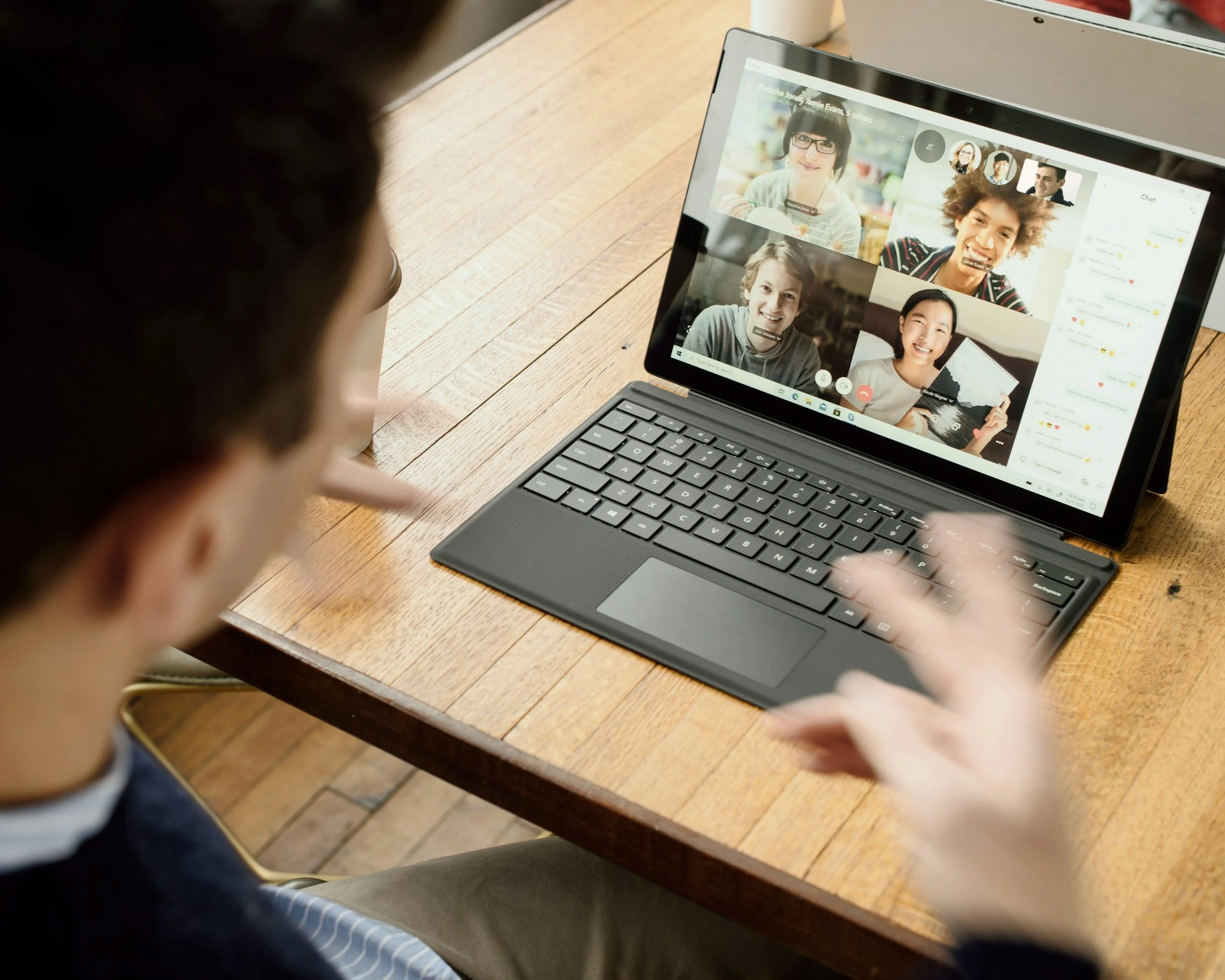
In today’s world, convenience often shapes the way we live, work, and connect. From online shopping to remote jobs, many people are finding new ways to access what they need without leaving home. Mental health care has evolved in the same way. Online therapy, also called teletherapy, makes it possible to meet with a licensed therapist through secure video or phone sessions from any private space.
For many people, this format removes barriers that might otherwise prevent them from starting therapy. Whether it is difficulty finding local providers, a busy schedule, or transportation challenges, teletherapy helps people access consistent and quality care. Studies continue to show that online therapy is not only convenient but highly effective for many common mental health concerns.
If you are considering online therapy in Ohio, understanding what makes it effective, as well as the few potential limitations, can help you decide if it is the right fit for your needs.
1. The Benefits of Flexibility and Convenience
One of the most significant advantages of online therapy is accessibility. You can meet with your therapist from home, from your office during a lunch break, or even while traveling within your state. This flexibility helps clients stay engaged and consistent, which is a key factor in therapeutic success.
Clients often find that eliminating travel time or child care coordination makes it easier to prioritize therapy. The simplicity of logging into a secure session helps therapy fit naturally into daily life instead of feeling like one more obligation.
Online therapy also widens access to specialized care. For those living in smaller towns or rural parts of Ohio, it can be challenging to find therapists with expertise in specific areas like trauma, anxiety, or burnout. Teletherapy allows clients to choose from a much broader range of licensed professionals, ensuring they find someone whose approach and experience align with their goals.
From a practical perspective, this flexibility supports long-term progress. When therapy is easier to attend, clients are more likely to follow through, reflect on insights, and practice new coping skills between sessions.
2. Effectiveness Backed by Research
Research over the past decade has consistently demonstrated that online therapy is just as effective as traditional in-person therapy for a wide range of issues, including anxiety, depression, and stress-related conditions.
Cognitive Behavioral Therapy (CBT), one of the most evidence-based modalities for treating anxiety and depression, translates especially well into a virtual format. The structured nature of CBT, that is goal setting, thought reframing, and skill practice, adapts easily to video sessions. Similarly, mindfulness-based interventions work seamlessly online, as guided exercises and grounding practices can be performed in the comfort of your own environment.
Teletherapy also maintains strong standards for privacy and security. Licensed therapists use encrypted, HIPAA-compliant platforms designed to protect your confidentiality. Once clients adjust to the technology, many report that virtual sessions feel equally personal and emotionally connected as those held in person. Some even find it easier to open up when they are in a familiar and comfortable space.
In short, the effectiveness of therapy depends more on the therapeutic relationship and your readiness for change than the physical location where it happens.
3. Accessibility and Comfort in Your Own Space
For many clients, one of the most healing aspects of online therapy is the comfort of being in a familiar environment. When you feel safe and relaxed, you are more likely to speak openly, reflect honestly, and engage fully in the process.
Therapy from home can also make it easier to apply what you learn in real time. For example, if you are practicing grounding techniques or cognitive reframing during a session, you can immediately use those tools in your everyday setting. This practical integration helps build stronger connections between insight and action.
Teletherapy also expands access for individuals who face physical or emotional barriers to in-person sessions. Those with chronic pain, mobility challenges, or social anxiety often find that online therapy reduces stress and logistical obstacles. It creates opportunities for consistent care that might not otherwise be possible.
Mindfulness and breathing exercises can be particularly powerful when practiced in your own space. Over time, your environment itself can become associated with calm and emotional safety. This can help create lasting change that extends beyond the therapy hour.
4. Possible Drawbacks to Consider
While online therapy offers many advantages, it is not the ideal fit for everyone. Some clients feel that in-person sessions offer a deeper sense of presence, especially when exploring nonverbal cues or body-based experiences. For certain therapeutic modalities, such as trauma processing involving somatic work, art therapy, or play therapy for children, being physically present may enhance the process.
There are also practical considerations. A stable internet connection and a private space are essential. Background noise, interruptions, or poor audio can disrupt focus. For clients who do not have reliable technology or a quiet environment, in-person sessions may feel less stressful.
However, most of these challenges can be managed with preparation. Choosing a consistent setting, testing your connection before sessions, and using headphones for privacy can make a significant difference. For many adults, these small adjustments quickly become routine.
Overall, while teletherapy may not replicate every aspect of face-to-face interaction, it provides an accessible and effective alternative that meets people where they are.
5. Making Online Therapy Work for You
To get the most benefit from teletherapy, approach it with the same level of intention and structure as in-person therapy. Set up a private, comfortable space where you can speak freely. Use headphones or earbuds to increase privacy and reduce distractions.
Consistency is key. Scheduling sessions at the same time each week can help create a natural rhythm for reflection and emotional growth. You might also keep a therapy journal to jot down insights, goals, or questions that arise between sessions.
Incorporating mindfulness before and after therapy can also deepen your progress. Taking a brief walk, meditating, or practicing deep breathing can help you process what was discussed and transition smoothly back into daily life.
For many clients, online therapy fosters a sense of empowerment. You are in control of your environment, your schedule, and your pace. This autonomy can strengthen commitment and lead to greater confidence in applying skills outside of sessions.
6. Teletherapy vs. In-Person Therapy: Finding the Right Fit
Both teletherapy and in-person therapy offer meaningful paths toward growth and healing. In-person therapy provides a shared physical space that some find grounding and relationally rich. Online therapy, however, emphasizes accessibility, flexibility, and privacy.
The right choice often depends on your lifestyle, comfort level, and goals. Some clients even combine both formats, starting online and later transitioning to in-person, or vice versa. What matters most is maintaining consistency and finding a therapist whose style and presence feel right for you.
When evaluating your options, consider how you connect best, what barriers you face, and how each format supports your overall well-being. For many adults today, teletherapy provides a convenient and effective way to access professional care without sacrificing quality.
Taking the Next Step
Online therapy has transformed how people receive mental health support. It offers flexibility, accessibility, and privacy while maintaining the same clinical depth as in-person care. For many adults, especially those balancing work, family, or limited access to local providers, teletherapy can be a life-changing solution.
If you have been thinking about starting therapy but have hesitated due to time, travel, or privacy concerns, online therapy might be the most accessible path forward. You do not have to wait for the “perfect” circumstances to begin. Reaching out for support is a meaningful step toward caring for yourself and creating a healthier balance in your life.
— Sam Long, LISW
Founder of Long Therapy Services, LLC
-Growth and Healing, Wherever You Are-
Ready to start? Contact me today or schedule through Headway or SonderMind.
Learn more by going to About or Services pages. Have specific questions go to FAQs.
The information on this page is for educational purposes only and is not a substitute for professional therapy, diagnosis, or treatment. If you are in crisis, call or text 988 (Suicide and Crisis Lifeline) or go to your nearest emergency department.