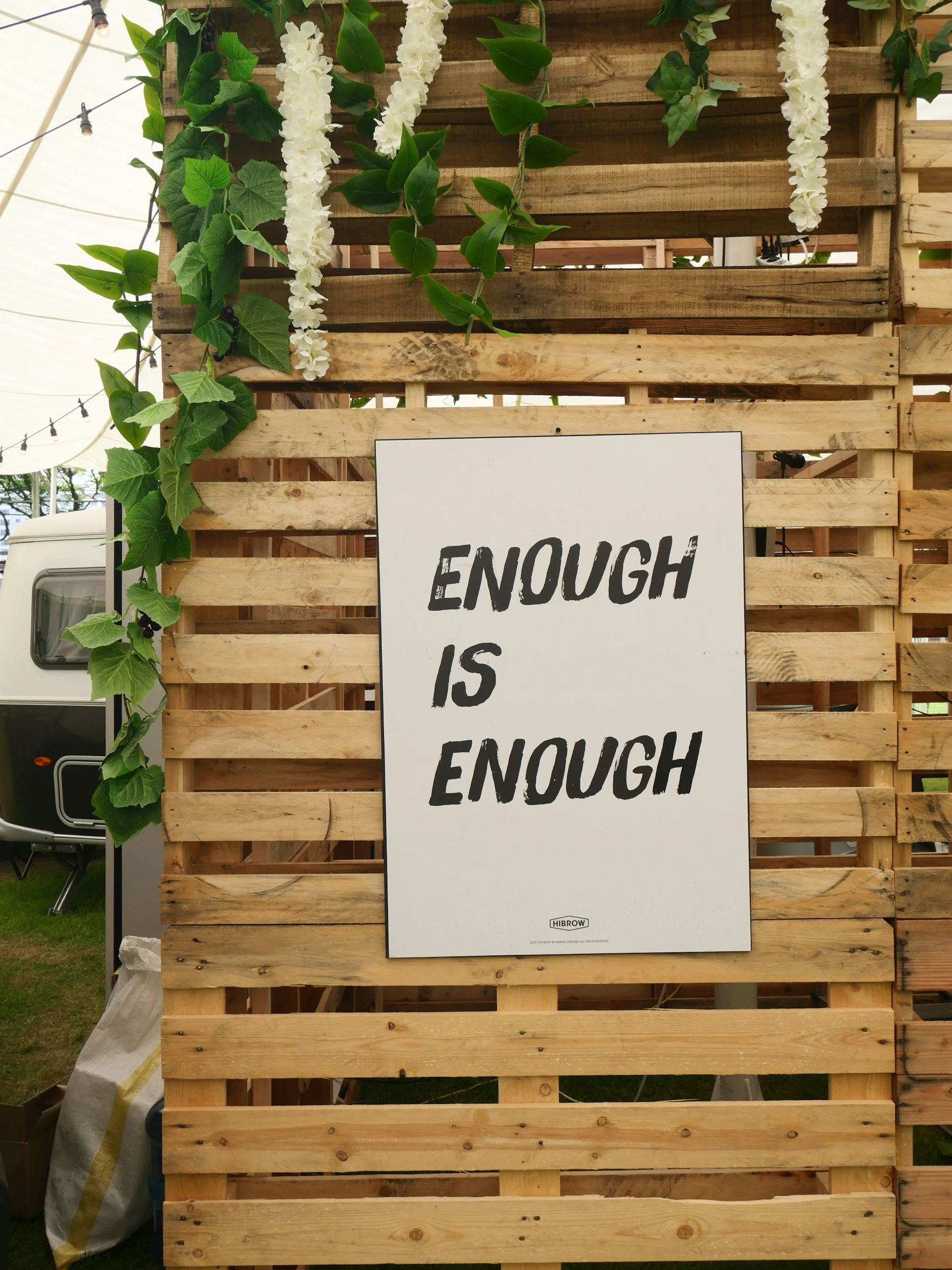
The Pressure to Provide: Why Success Feels Heavy Instead of Satisfying
Why Providing Can Start to Feel Heavy
Providing is not the problem. Responsibility is not the problem. Ambition is not the problem.
For many men, the problem starts when providing becomes the only acceptable measure of whether they are doing enough. You may have a good job, a family that depends on you, bills that are paid, and a life that looks stable from the outside. Yet inside, there may be a quiet heaviness that is hard to explain.
In my work with men, I often hear some version of this: “I should feel good. Things are going well. So why do I feel this much pressure?” That question matters. It usually means the man is not lazy, ungrateful, or broken. It means the emotional cost of carrying responsibility has not had anywhere to go.
A man may get promoted, buy the house, support his family, build the savings, keep the schedule moving, and still feel like he is one bad month away from failing. The finish line keeps moving. What once felt like a goal now feels like a baseline requirement. Success stops feeling satisfying because it is no longer experienced as accomplishment. It is experienced as maintenance.
A practical starting point is to separate responsibility from identity. Responsibility is what you carry. Identity is who you are. When those become fused, any financial strain, work problem, or family need can feel like a direct verdict on your worth.
Where in your life have you started treating “being useful” as the same thing as “being valuable”?
Write down three things you provide that are not financial. Examples might include steadiness, humor, repair skills, patience, wisdom, protection, presence, or follow-through. This does not minimize money. It widens the picture.
You do not have to untangle this alone. This is exactly what structured therapy is designed to help with.
Why Success Stops Feeling Satisfying
Success often feels good when it represents movement. You worked hard, solved a problem, earned trust, improved your situation, or created more security. The difficulty begins when success stops being experienced as progress and starts being experienced as proof that more will be expected from you.
Many men are surprised to learn that achievement can reduce anxiety temporarily while also creating a new pressure point. You hit one goal, feel relief for a short time, then the mind asks, “What now?” or “How do I keep this from falling apart?” The emotional reward is brief, but the responsibility remains.
Consider a man who finally reaches a higher income level after years of effort. At first, he feels proud. Then the mortgage increases, family expectations grow, kids need more, retirement planning gets more serious, and he feels even less free than before. Nothing is technically wrong. But internally, success has turned into a larger machine that requires constant fuel.
This can become a performance identity. You do not just work. You become the worker. You do not just provide. You become the provider. You do not just solve problems. You become the one who is not allowed to have any.
What I often notice in sessions is that men do not always need someone to tell them to care less. Often, they need help caring in a more sustainable way. The goal is not to abandon ambition. The goal is to stop using pressure as the only engine.
When something goes well, do you let yourself feel satisfaction, or do you immediately move to the next concern?
At the end of the week, name one completed responsibility and answer three questions: What did this require from me? What did it cost me? What would healthy recovery look like before I take on the next demand?
This builds satisfaction back into the system instead of letting achievement disappear into the background.
The Provider Pressure Loop
One framework I use for understanding this pattern is the Provider Pressure Loop.
It often looks like this:
- Responsibility increases.
- You respond by working harder.
- The pressure decreases briefly.
- Your new output becomes the new standard.
- Rest starts to feel irresponsible.
- Resentment, fatigue, or numbness begins to build.
The loop is effective in the short term. That is why men trust it. If there is a problem, push harder. If money is tight, work more. If people need you, stay available. If you are tired, ignore it until the work is done.
The blind spot is that this strategy can succeed externally while draining you internally. You may become dependable to everyone else while becoming disconnected from your own needs, emotions, limits, and values. Over time, the system keeps running, but the operator starts wearing down.
A real world example might be a father who works full time, handles home repairs, watches the budget, helps with child routines, and still feels guilty anytime he sits down. Even when no one is criticizing him, he hears an internal voice saying, “You should be doing more.” His body is home, but his mind is still managing the next threat.
I want to be clear here. This does not mean responsibility is unhealthy. It means responsibility without recovery eventually becomes unstable.
What do you do when there is no immediate problem to solve? Can you rest, or do you search for the next thing that could go wrong?
Build a “closed loop” habit. At the end of each workday, write one sentence: “Today, I handled enough by completing...” Then name one concrete task. This trains your brain to register completion rather than constantly scanning for unfinished demands.
A man does not become stronger by never recovering. He becomes stronger by learning how to carry weight without slowly breaking under it.
How Stress Shows Up in the Mind and Body
Provider pressure is not only a mindset. It is also a nervous system experience.
When stress becomes ongoing, the body does not always distinguish between a true emergency and a constant sense of demand. The American Psychological Association describes how chronic stress can affect multiple body systems, including the cardiovascular, digestive, nervous, endocrine, and musculoskeletal systems. The National Institute of Mental Health also notes that stress and anxiety can affect sleep, concentration, tension, headaches, and daily functioning.
This matters because many men first notice stress physically before they name it emotionally. Tight shoulders. Poor sleep. Jaw tension. Irritability. Chest tightness that has been medically checked. Stomach issues. A short fuse. Loss of interest. Feeling tired even after a full night in bed.
In sessions, I often ask men to think of the body as a dashboard. The warning light is not the enemy. It is information. Ignoring the light may keep the car moving for a while, but it does not solve the underlying issue.
A man under provider pressure may say, “I am fine,” because nothing dramatic has happened. But he is sleeping five hours, drinking more caffeine, scrolling at night to shut his brain off, skipping movement, and feeling distant from his family. He is functioning, but at a high cost.
This is behavioral guidance, not medical advice. If you have concerning physical symptoms, it is important to consult a medical professional. From a therapy perspective, the focus is on patterns: stress load, recovery, thinking habits, emotional avoidance, boundaries, and behavior.
What physical signals do you tend to dismiss because you are still functioning?
Track your stress signals for seven days. Use three columns: body signal, situation, response. For example: “tight chest, Sunday night, checked email.” The goal is not to obsess. The goal is to identify patterns early enough to respond differently.
A Sustainability Framework for Men Who Carry Responsibility
A second framework I often use is the Sustainable Strength Framework. It has five parts: load, limits, levers, recovery, and meaning.
What am I carrying right now?
What is realistic for one person to carry?
What can be adjusted?
How do I restore capacity?
Why does this matter beyond pressure?
This framework respects responsibility. It does not tell a man to stop caring, quit working, or become less ambitious. It helps him examine whether the current system is built to last.
Many men operate as if limits are the same as weakness. In reality, limits are part of performance. A truck has a towing capacity. A bridge has a load rating. A phone battery has a charge cycle. None of those limits mean the tool is defective. They mean the system needs to be used with intelligence.
A man may realize his load includes work demands, financial pressure, aging parents, parenting, marriage strain, home maintenance, health concerns, and the internal expectation to stay calm through all of it. When he sees the full list, he often has a different reaction: “No wonder I am tired.”
That moment can bring relief. Not because life suddenly becomes easy, but because the problem becomes clearer. You cannot solve a pressure problem if you keep pretending the load is smaller than it is.
What are you carrying that no one sees because you make it look normal?
Make a two column list. On the left, write “fixed load.” These are responsibilities you cannot realistically remove right now. On the right, write “adjustable levers.” These might include delegation, sleep routine, therapy, financial review, communication with your spouse, work boundaries, reduced perfectionism, or scheduled recovery.
The goal is not a perfect life. The goal is a more honest operating system.
What Structured Therapy Looks Like for Provider Pressure
Some men hesitate to start therapy because they picture vague conversations with no direction. That concern is understandable. If you are already busy, tired, and responsible for a lot, the last thing you want is another hour that feels unproductive.
Structured therapy should not feel like wandering. In my work with men, therapy is usually direct, practical, and goal focused. We clarify what is happening, identify patterns, examine the thoughts and behaviors keeping the pressure alive, and build strategies that can be used outside the session.
Cognitive Behavioral Therapy is one common evidence based approach that helps people understand the connection between thoughts, feelings, and behaviors. Mayo Clinic describes CBT as a structured form of therapy that helps people identify unhelpful thinking patterns and respond to challenging situations more effectively. Solution focused work can also help clarify what is already working, what needs to change, and what the next realistic step looks like.
For provider pressure, therapy may include:
- Mapping the pressure cycle.
- Identifying unrealistic internal rules.
- Building better recovery routines.
- Improving communication at home.
- Sorting responsibility from guilt.
- Reconnecting success with values, not just output.
- Creating measurable goals for stress, boundaries, and decision making.
A consultation is not a commitment to months of therapy. It is a focused conversation to understand what you are dealing with, what kind of support may help, and whether the fit makes sense. For men considering Men’s Online Therapy in Ohio, online sessions can reduce barriers by removing commute time and making therapy easier to fit into a full schedule.
If therapy were useful and efficient, what would you want to be different three months from now?
Before a consultation, write down one sentence that starts with, “The main thing I am tired of carrying is...” That gives the work a clear starting point.
When to Reach Out
You may want to reach out when success looks fine from the outside but feels heavier than it should on the inside. That might mean you are more irritable than usual, disconnected at home, constantly thinking about money or work, struggling to rest, or feeling like no amount of progress gives you permission to breathe.
Therapy is not about taking responsibility away from you. It is about helping you carry responsibility with more clarity, steadiness, and sustainability. In structured therapy, we look at the pressure honestly, identify what is driving it, and build practical strategies that fit your actual life.
If you are a man in Ohio navigating provider pressure, work stress, burnout, identity strain, or the quiet weight of holding everything together, therapy can offer a practical place to slow down and sort through what is happening.
You do not have to wait until things fall apart. Sometimes the strongest move is recognizing that the current system needs support before it breaks.
Samuel Long, LISW-S
Founder of Long Therapy Services
Growth and Healing, Wherever You Are
Schedule a Free Consultation Now
If this article feels familiar, therapy can help you sort through the pressure with structure, clarity, and practical next steps. You do not have to wait until everything falls apart to reach out.
FAQ
Why does providing for others feel so heavy even when life is going well?
Because responsibility can become emotionally expensive even when it is meaningful. Many men are carrying financial pressure, family expectations, work demands, and internal standards at the same time. When success becomes the minimum requirement instead of something you can appreciate, the pressure can feel constant.
Is this burnout, anxiety, or just normal stress?
It may be stress, burnout, anxiety, or a mix of several patterns. The label matters less than the impact. If pressure is affecting your sleep, mood, relationships, health habits, focus, or ability to feel satisfied, it is worth taking seriously.
How do I know if therapy is worth the time?
Therapy is worth considering when the cost of continuing the same pattern is getting too high. That cost may show up as irritability, distance from your family, exhaustion, loss of motivation, or feeling like achievement no longer brings relief. Good therapy should have goals, structure, and practical application.
Do I have to talk about childhood or emotions the whole time?
Not necessarily. Past experiences may matter, but structured therapy also focuses on current patterns, decision making, coping tools, stress responses, relationships, and behavior. Emotions are treated as information, not as weakness or drama.
How long does it take to feel better?
Some men feel relief quickly once they finally name what they are carrying. Deeper change usually takes consistent work over time. The goal is not instant transformation. The goal is steadier thinking, better recovery, healthier responses, and a life that does not require constant internal pressure to keep moving.
References
This article was developed using evidence-based research and established clinical literature. The references below informed the concepts discussed throughout this post.
- American Psychological Association. (2023, March 8). Stress effects on the body. https://www.apa.org/topics/stress/body
- National Institute of Mental Health. (n.d.). I’m so stressed out! Fact sheet. U.S. Department of Health and Human Services, National Institutes of Health. https://www.nimh.nih.gov/health/publications/so-stressed-out-fact-sheet
- Mayo Clinic Staff. (2025, February 26). Cognitive behavioral therapy. Mayo Clinic. https://www.mayoclinic.org/tests-procedures/cognitive-behavioral-therapy/about/pac-20384610
Ready to Start?
Ready to start? Contact me today or schedule through Headway.
Learn more About me or what I offer on the Services pages. If you are curious about cost, payment options, and what to expect, visit the Rates page. Have specific questions go to FAQs.
The information on this page is for educational purposes only and is not a substitute for professional therapy, diagnosis, or treatment. If you are in crisis, call or text 988, the Suicide and Crisis Lifeline, or go to your nearest emergency department.